Nerve and muscle disorders often present a complex puzzle for both patients and healthcare providers. Symptoms like persistent numbness, unexplained weakness, or sharp, radiating pain can be difficult to pinpoint with standard physical exams alone. These sensations are frequently the result of internal “electrical” issues within the body’s nervous system. To solve this puzzle, medical professionals rely on electrodiagnostic testing. Specifically, electromyography in Los Angeles has become a vital tool for those seeking to move beyond temporary fixes and find the root cause of their discomfort. At California Sports and Rehab, we see firsthand how this diagnostic clarity transforms the recovery journey for our patients.
The Science of Your Body’s Internal Wiring
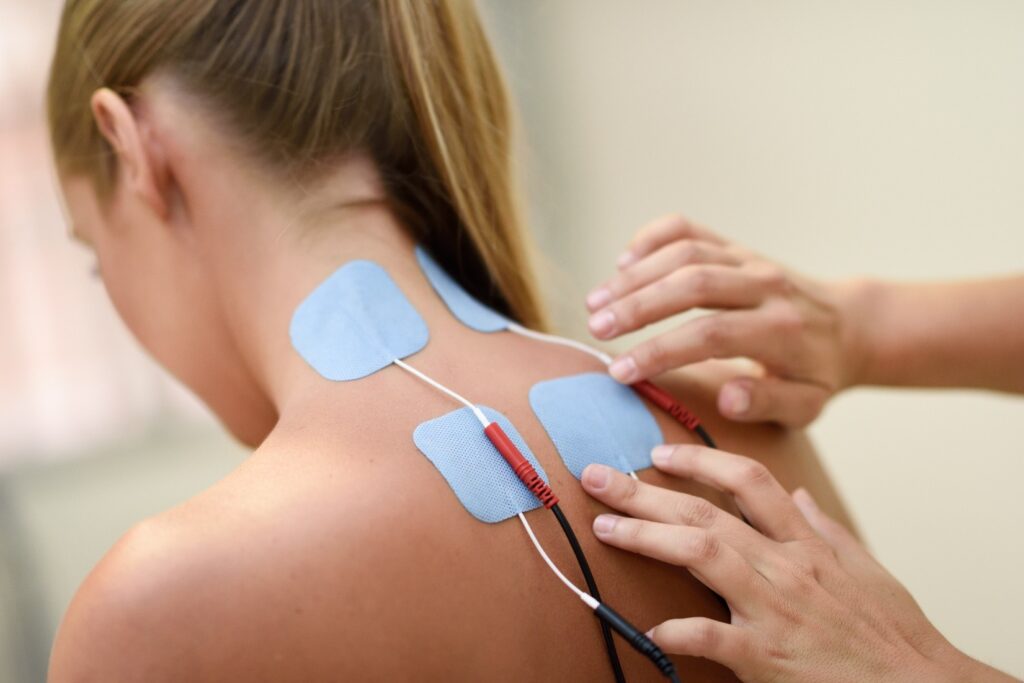
Think of your body as a sophisticated electrical network. Your nerves are the wires, and your muscles are the appliances those wires power. When an appliance stops working, the problem could be the motor itself or a frayed wire hidden behind the wall. Electromyography, or EMG, allows us to look “behind the walls” of your skin. By recording the electrical activity in your muscles, we can tell if they are responding correctly to nerve signals.
This is not just about finding pain; it is about measuring function. When a muscle is at rest, it should be electrically quiet. If we detect activity while the muscle is supposed to be relaxed, it often indicates a nerve supply issue. Conversely, if the muscle doesn’t “fire” correctly during contraction, the muscle tissue itself might be damaged. By using this technology, we remove the guesswork from your treatment plan.
Why You Shouldn’t Ignore the “Pins and Needles”
Many people try to push through minor tingling or muscle fatigue. However, statistics show that early intervention is key. For example, millions of Americans suffer from Carpal Tunnel Syndrome or Sciatica every year. Research suggests that delayed diagnosis can lead to permanent nerve damage or muscle atrophy. When you choose to undergo electromyography in Los Angeles, you are taking a proactive step toward preserving your mobility.
We often find that patients are surprised by how much information a single test can provide. It isn’t just a “yes or no” result. It tells us the severity of the condition and exactly where the compression is happening. This precision is why we advocate for testing as soon as symptoms become persistent.
The Power Duo: Why EMG and NCV Work Best Together
While an EMG looks at the muscles, a Nerve Conduction Velocity (NCV) test looks at the speed of the signals traveling through the nerves. Doing one without the other is like checking the spark plugs in a car but ignoring the battery. When we perform these tests together, we get a 360-degree view of your neuromuscular health.
According to clinical data, combining these two tests significantly increases diagnostic accuracy. For instance, in cases of radiculopathy (a pinched nerve in the neck or back), the NCV might look normal while the EMG shows clear signs of distress in the muscle. This combination helps us differentiate between a localized issue, like a pinched nerve in the wrist, and a more systemic problem, like peripheral neuropathy.
What to Expect During Your Diagnostic Visit
We know that “electrical testing” can sound a bit intimidating, but we promise it’s much easier than it sounds! The procedure is performed right in our office, and there is absolutely no downtime. You don’t need to stay overnight or have anyone drive you home. It’s a straightforward, informative process designed to give us the answers we need.
To ensure your test is as accurate as possible, we suggest a few simple steps:
- Keep your skin clean: Avoid using any lotions, oils, or creams on the day of your test. These can interfere with the signal.
- Stay warm: If you are cold, your nerve signals might slow down. We make sure our rooms are kept at a comfortable temperature for this reason.
- Be open with us: Let us know if you have a pacemaker or are taking any blood thinners.
- Relax: The test usually takes between 30 to 60 minutes. You might feel a small “twinge” or a quick pinch, similar to a static electricity shock.
- Wear loose clothing: This allows us easy access to the areas of your arms or legs that we need to test.
Finding the Best Clinical Team for Your Needs
The quality of your results depends heavily on the skill of the person interpreting the data. It isn’t just about reading a computer screen; it’s about understanding the nuances of human anatomy. If you are searching for a qualified EMG NCV specialist in Los Angeles, you want a team that prioritizes both technical accuracy and patient comfort. At California Sports and Rehab, our specialists bring years of specialized experience to every exam. By choosing Tina Hakimian And Kamran Hakimian, you are ensuring that your results are analyzed by board-certified professionals who understand the complexities of the nervous system. We take pride in providing reports that are not only accurate but also easy for you and your primary doctor to understand.
From Results to Recovery: Your Roadmap Back to Health
Once the test is finished, the real work begins. We don’t just hand you a piece of paper and send you on your way. We use the data to help build a bridge to your recovery. Whether that means targeted physical therapy, non-invasive treatments, or a referral to a surgeon, you will have the evidence you need to make an informed decision.
Having a definitive diagnosis is incredibly empowering. It takes the “mystery” out of your pain. Instead of wondering if you’ll ever feel better, you’ll have a clear plan. We have seen countless patients go from frustrated and confused to motivated and mobile, all because they took the time to get the right test.
Read More: Steps for Nerve Damage Recovery
A New Standard of Nerve Health: The California Sports and Rehab Promise
At California Sports and Rehab, we believe that you deserve to move through the world without the burden of unexplained pain. We are more than just a diagnostic center; we are your partners in wellness. By combining the cutting-edge technology with a compassionate, patient-first approach, we turn clinical data into life-changing results. Whether you are an athlete looking to return to the field or a grandparent wanting to play with your grandkids, our goal is to help you reclaim your quality of life. Let’s stop the guessing and start the healing together. Your journey to a pain-free future starts with a single, precise answer.
People Also Ask
- Is an EMG test painful?
Most patients describe the sensation as a quick pinch or a small “buzzing” feeling. It is generally very well-tolerated and much less intense than most people imagine!
- How long does it take to get EMG results?
At California Sports and Rehab, we know you’re anxious for answers. Tina Hakimian And Kamran Hakimian usually have the interpreted results ready for your doctor within 24 to 48 hours.
- Do I need to stop my medications before the test?
In most cases, no. However, you should always tell us if you are on blood thinners or have a pacemaker before we begin.
- Can an EMG find old injuries?
Yes. An EMG is very sensitive and can often detect signs of past nerve damage or chronic muscle issues that haven’t fully healed.
- Is the test safe?
Absolutely. It is a non-invasive, low-risk procedure that has been used safely in the medical field for decades.